
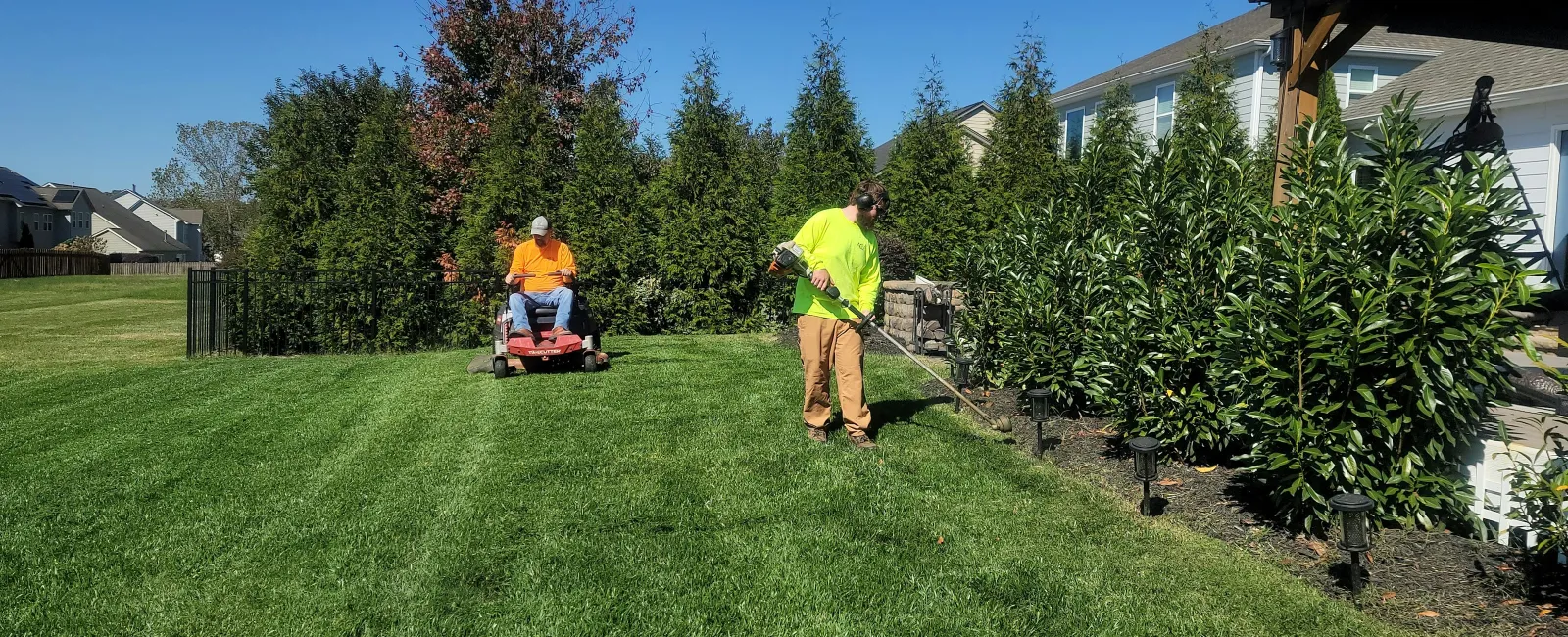
You do great work. Your yards look perfect, your clients are happy, and your crew shows up on time. But when a homeowner nearby searches "landscaping company near me," someone else's name comes up -- not yours.
That is the problem landscaping SEO solves. Search engine optimization puts your business in front of people who are already looking for exactly what you offer, right when they are ready to hire someone. In this guide, you will learn what landscaping SEO actually involves, why it matters more than ever for lawn and landscape companies, and the specific steps you can take to start ranking higher on Google.
Why Landscaping SEO Is Worth Your Attention
Most homeowners do not ask their neighbor for a landscaping recommendation anymore. They pull out their phone and search. According to Google, searches with "near me" intent have grown more than 500% over the past several years, and home services is one of the top categories driving that growth. If your landscaping company is not showing up in those results, you are handing jobs to competitors who simply invested in their online presence.
The good news? SEO for landscaping companies is not nearly as competitive as other industries. Most landscaping businesses in any given market have little to no active SEO strategy. That means ranking on page one is genuinely achievable even for a small, local company -- without a huge budget.
Word-of-mouth referrals are great, but they have a ceiling. SEO compounds over time. A blog post you publish today can generate leads 12 months from now without you spending another dollar. That is the kind of return on investment that paid ads simply cannot match.
Set Up Your Google Business Profile First
Before anything else, claim and fully fill out your Google Business Profile (GBP). This is the listing that shows up in the map results -- the "3-pack" -- when someone searches for local landscaping services. It is free, and for local SEO for landscaping companies, it is the single highest-impact thing you can do.
Here is what a strong Google Business Profile includes:
- Accurate business name, address, and phone number -- these must match exactly what appears on your website.
- Business category -- choose "Landscaper" as your primary category. Add secondary categories like "Lawn Care Service" or "Tree Service" if they apply.
- Service areas -- list every city and neighborhood you serve, not just the one where your office is located.
- Photos -- upload at least 10 high-quality before-and-after photos of completed jobs. Profiles with photos get 42% more direction requests than those without.
- Reviews -- actively ask satisfied customers to leave a Google review. Aim for 20+ reviews with an average of 4.5 stars or better before you consider your GBP "competitive."
- Posts -- use the GBP posts feature to share seasonal promotions, tips, or new service announcements at least twice a month.
Many landscaping companies set up their GBP once and forget about it. Treat it like a living profile that you actively manage, and you will pull ahead of the competition quickly.
Build a Website That Ranks and Converts
Your website is the foundation of your landscaping SEO strategy. Google needs to understand what you do and where you do it. Homeowners need to trust you enough to call. Here is how to build a site that does both.
Create a Separate Page for Each Service
If you offer lawn mowing, landscape design, irrigation installation, mulching, and seasonal cleanups, each of those should have its own dedicated page -- not one big "Services" page that lumps them all together. Google ranks individual pages, not websites as a whole. A dedicated "Irrigation Installation" page can rank for searches like "sprinkler system installation [your city]" in a way that a generic services page never will.
Add Location Pages for Every Area You Serve
If you work in five towns, build five location pages. Each page should be customized with the city name, a description of your work in that area, and ideally a testimonial from a local customer. Avoid copying and pasting the same text across pages and just swapping the city name -- Google penalizes duplicate content, and it looks lazy to potential customers.
Focus on Page Speed and Mobile Performance
More than 60% of local searches happen on a mobile device. If your website takes more than three seconds to load on a phone, most visitors will leave before reading a single word. Use Google's free PageSpeed Insights tool to check your site score. Common fixes include compressing large images, removing unnecessary plugins, and switching to faster web hosting.
Write Content That Answers Real Questions
One of the most underused landscaping lead generation tactics is content marketing. Homeowners research before they buy. They search things like "how often should I aerate my lawn," "best grass seed for shade in Georgia," or "when to plant shrubs in Florida." If your website answers those questions, you get the traffic -- and you get it from people who are already in the mindset of improving their yard.
A landscaping company blog does not need to be fancy. Aim for:
- One new post per month at minimum. Consistency matters more than volume.
- Posts of 1,000 words or more. Longer, more thorough answers tend to outrank thin content.
- Local relevance. Write about topics specific to your climate and region. A post titled "Spring Lawn Care Tips for Atlanta Homeowners" will outrank a generic lawn care article because it matches what local searchers are actually typing.
- A clear next step. Every post should end with a soft call to action -- invite the reader to contact you for a free estimate or learn more about a specific service.
This kind of landscaper digital marketing takes time to produce results, but the payoff is real. A single well-written blog post can bring in dozens of qualified visitors every month for years.
Build Local Citations and Earn Backlinks
Google uses trust signals to decide which websites deserve to rank. Two of the most important signals for local businesses are citations and backlinks.
Citations are mentions of your business name, address, and phone number (NAP) on other websites. The most important directories for landscaping companies include Yelp, Angi, HomeAdvisor, Houzz, the Better Business Bureau, and your local Chamber of Commerce. Make sure your NAP is identical across every directory -- even minor differences like "St." vs. "Street" can confuse Google.
Backlinks are links from other websites pointing to yours. They act like votes of confidence. You can earn backlinks by getting featured in a local news article, sponsoring a community event, partnering with a complementary local business (a fence company, a pool installer, a real estate agent) and exchanging links, or contributing a guest post to a home improvement website.
You do not need hundreds of backlinks to rank well in a local market. A handful of quality links from trusted, relevant websites will do more for your landscaping SEO than dozens of links from low-quality directories.
Track Your Results and Keep Improving
SEO is not a one-time project -- it is an ongoing process. Set aside time each month to review your performance. Free tools like Google Search Console and Google Analytics show you which pages are getting traffic, which keywords you are ranking for, and where people are clicking through from.
A simple monthly lawn care marketing checklist might look like this:
- Check your Google Business Profile for new reviews and respond to every one.
- Publish one new blog post or update an existing one with fresh information.
- Review your Google Search Console data -- are any pages starting to rank? Can you improve them?
- Check that your phone number, hours, and service area are still accurate across your key directories.
- Request reviews from recent satisfied customers.
Small, consistent actions compound into significant results over six to twelve months. Most landscaping companies that invest in SEO seriously see meaningful increases in organic leads within the first year.
Ready to Grow Your Landscaping Business Online?
Landscaping SEO is one of the smartest long-term investments a lawn and landscape company can make. It gets your business in front of the right people, at the right moment, without paying for every click. Start with your Google Business Profile, build out your service and location pages, and commit to publishing helpful content for your local market.
If you would rather focus on running your business while someone handles the digital marketing, the team at RedBrickWeb.com specializes in helping home services companies -- including landscapers -- get found online and turn website visitors into paying customers. Reach out for a free consultation and see what is possible for your market.


